 ZenMalas Blog
5 Minute Meditation for Busy Beginners
We’ve all been there: you want to start a meditation practice, but your schedule is packed—meetings, deadlines, family responsibilities, and never enough hours in the day. The idea of sitting in silence for 20 or 30 minutes feels impossible, and that’s okay. You don’t need a long, elaborate session to reap the benefits of mindfulness. A 5 minute meditation for busy beginners is short enough to fit into even the craziest schedules, yet powerful enough to reduce stress, boost focus, and bring a moment of calm to your chaotic day.
Meditation isn’t about emptying your mind or achieving perfect peace—it’s about showing up, being present, and giving yourself permission to pause. This guide is designed for busy people who have little time to spare, no prior meditation experience, and a desire to add small, meaningful moments of mindfulness to their lives. Let’s break down how to practice a simple, effective 5-minute meditation that you can do anywhere, anytime.

Why 5 Minutes Works for Busy Beginners
When you’re new to meditation and short on time, long sessions can feel overwhelming. You might start with good intentions, only to check the clock repeatedly or feel guilty if your mind wanders. A 5-minute practice eliminates that pressure—it’s manageable, non-intimidating, and easy to stick to consistently.
Even a short meditation session can lower cortisol (the stress hormone), improve mental clarity, and help you reset your mood. For busy beginners, consistency matters more than length. Doing 5 minutes of meditation every day is far more effective than doing 30 minutes once a week. This short practice becomes a habit, a small act of self-care that you can rely on when life gets chaotic.
Additionally, a 5 minute meditation is flexible. You can do it first thing in the morning, during a work break, while waiting for your coffee to brew, or even before bed. It requires no special equipment, no quiet room (though it helps!), and no prior knowledge—just you and a few minutes of focus.

Prep: What You Need (and What You Don’t)
One of the biggest barriers to starting meditation for busy people is overcomplicating it. You don’t need a yoga mat, candles, incense, or a fancy meditation cushion. All you need is 5 minutes of uninterrupted time (or as uninterrupted as possible) and a willingness to try. Here’s what to keep in mind:
Choose Your Space (Even a Small One)
You don’t need a dedicated meditation room. A chair at your desk, the passenger seat of your car (when parked!), or a corner of your bedroom will work. The goal is to find a spot where you can sit comfortably and minimize distractions. If you’re at work, close your office door or put on noise-canceling headphones to block out chatter.
Get Comfortable (But Not Too Comfortable)
Sit in a chair with your feet flat on the floor, or cross-legged on the ground if that’s more comfortable. Keep your spine straight but relaxed—this helps you stay awake and allows energy to flow freely. Avoid lying down, as you might fall asleep (especially if you’re doing this after a long day!). Rest your hands on your lap or your desk, palms up or down—whichever feels most natural.
Set a Timer
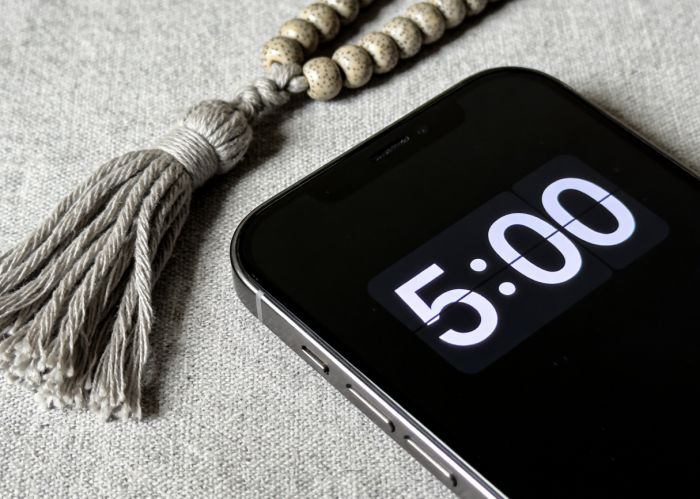
Use your phone’s timer or a simple meditation app to set 5 minutes. This way, you won’t have to check the clock, which can distract you from your practice. Once the timer is set, you can fully focus on the present moment.
Step-by-Step 5 Minute Meditation for Busy Beginners
This practice is simple, straightforward, and designed to keep you grounded. It focuses on breath—our most constant, reliable anchor to the present moment. Follow these steps, and don’t worry if your mind wanders (it will—that’s normal!):
Step 1: Settle In (1 Minute)
Sit comfortably, close your eyes (or keep them slightly open, gazing at a fixed point on the floor), and take three deep breaths. Inhale slowly through your nose for 4 counts, hold for 2 counts, and exhale through your mouth for 6 counts. These deep breaths help activate your body’s relaxation response, slowing your heart rate and calming your mind.
As you breathe, notice how your body feels. Are your shoulders tense? Is your jaw clenched? Take a moment to relax any tight areas—roll your shoulders back, unclench your jaw, and let your body soften into the chair or ground.
Step 2: Focus on Your Breath (3 Minutes)
Now, turn your attention to your natural breath. You don’t need to change how you’re breathing—just observe it. Notice the sensation of air entering your nose, filling your lungs, and exiting your mouth or nose. Feel your chest rise and fall with each breath, or your belly expanding and contracting.
Your mind will wander—and that’s okay. It’s what minds do. When you notice your thoughts drifting (to your to-do list, a past conversation, or what you’re having for lunch), gently bring your focus back to your breath. Don’t judge yourself for wandering—just acknowledge the thought and return to the present moment.
If focusing on your breath feels boring or difficult, try counting your breaths. Inhale for 1, exhale for 2, and so on up to 10. When you reach 10, start over. This simple counting helps keep your mind focused and prevents it from wandering too far.
Step 3: Ground and Reset (1 Minute)
As the timer nears the end, take one final deep breath—inhale for 4 counts, hold for 2, exhale for 6. Slowly open your eyes (if they were closed) and take a moment to notice how you feel. You might feel calmer, more focused, or just a little more present than you did 5 minutes ago.
Take a moment to set an intention for the rest of your day. It can be something simple, like “I will stay present during my next meeting” or “I will be kind to myself today.” This intention helps carry the calm of your meditation into the rest of your busy schedule.

Tips for Making This Practice Stick
For busy beginners, consistency is key. Here are a few tips to help you make your 5 minute meditation a daily habit:
Link It to an Existing Habit
Pair your meditation with something you already do every day, like drinking your morning coffee, brushing your teeth, or taking a work break. This makes it easier to remember and integrate into your routine. For example, meditate for 5 minutes right after you pour your coffee, or before you check your emails in the morning.
Be Kind to Yourself
If you miss a day, don’t guilt-trip yourself. Life gets busy, and that’s okay. Just pick back up the next day. Meditation is a journey, not a perfect practice. Even if your mind wanders the entire 5 minutes, you’re still doing something good for yourself.
Keep It Flexible
If 5 minutes feels too long on a particularly busy day, do 2 or 3 minutes. Something is better than nothing. You can also adjust the practice to fit your needs—if focusing on your breath isn’t working, try focusing on the sensation of your feet on the floor, or the sound of a distant bird.
Final Thoughts
A 5 minute meditation for busy beginners is proof that you don’t need a lot of time to practice mindfulness. It’s a small, powerful act of self-care that can help you navigate the chaos of daily life with more calm, focus, and clarity.
Remember, meditation isn’t about being perfect—it’s about showing up for yourself, even for just 5 minutes a day. Over time, this short practice will become a habit, and you’ll start to notice the benefits: less stress, more focus, and a greater sense of peace amidst the busyness.
So grab your phone, set a timer, and give yourself permission to pause. You deserve these 5 minutes—and your busy mind and body will thank you.