 ZenMalas Blog
Meditation is a journey inward, a practice of quieting the mind and connecting with the present moment. For many practitioners, having a physical anchor can make this abstract process much more tangible. This is where mala beads come in. Traditionally used in Buddhist and Hindu practices, these beaded necklaces serve as a tactile tool to count mantras or breaths, keeping the mind focused.
However, walking into a shop or browsing online can be overwhelming. With countless materials, sizes, and styles available, finding the perfect set can feel like a challenge. Whether you are a seasoned meditator or just starting your mindfulness journey, understanding the nuances of these tools is essential. Here is a comprehensive guide on how to choose the right mala beads for meditation to support your practice.
Understanding the Anatomy of a Mala
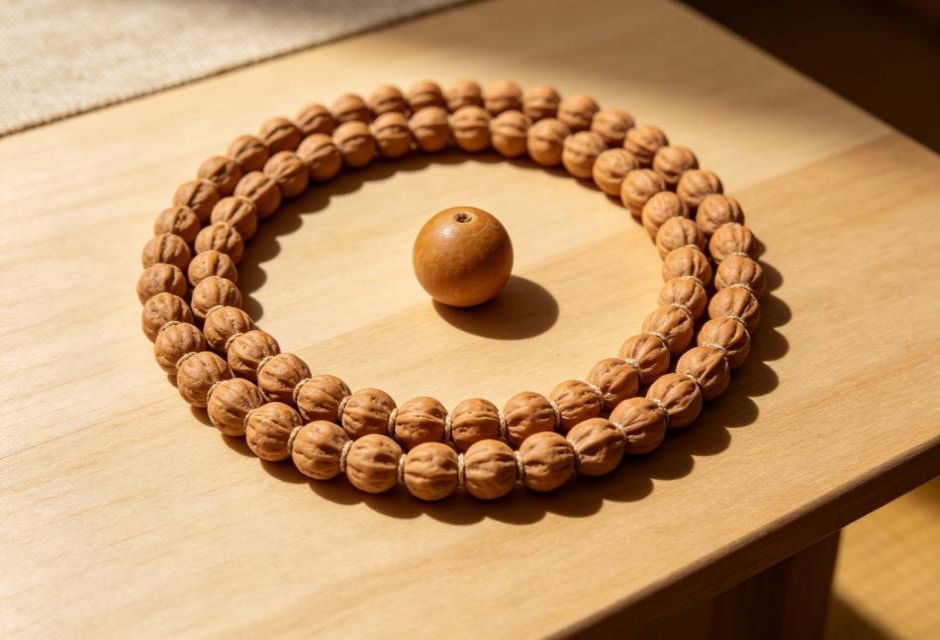
Before diving into materials, it is helpful to understand the structure. A traditional meditation necklace typically consists of 108 beads plus one larger “guru” or “sumeru” bead. The number 108 is considered sacred in many Eastern traditions, representing the universe’s wholeness.
When you are using the beads, you start at the bead next to the guru bead and work your way around the circle. When you reach the guru bead again, you have completed one “round” of meditation. Instead of crossing over the guru bead, tradition dictates that you flip the mala around and go back the other way. This structure isn’t just aesthetic; it provides a rhythmic physical cue that helps deepen your state of flow.
Choosing the Right Material for Your Intention
The material of your mala beads is perhaps the most personal choice you will make. Different stones and woods carry different textures, weights, and symbolic meanings. While we often talk about the metaphysical properties of crystals, from a practical standpoint, the feel of the bead against your skin is what matters most for daily practice.
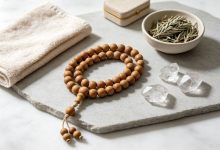
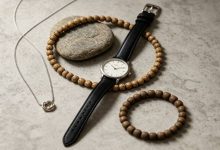
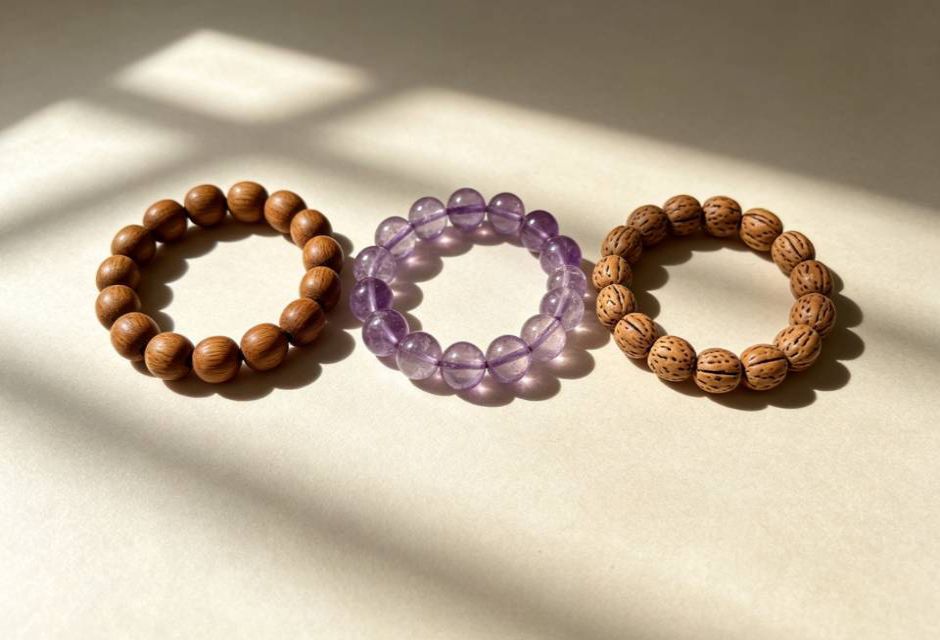
Wood Malas: Grounding and Warmth Wood is a classic choice for beginners and advanced practitioners alike. Materials like Sandalwood, Rosewood, or Bodhi seeds are lightweight and warm to the touch. They often have a subtle, natural scent that can enhance the sensory experience of meditation. If you plan to wear your mala as jewelry throughout the day, wood is durable and tends to age beautifully, developing a patina over time. They are excellent for those seeking a grounding, earthy connection during their practice.
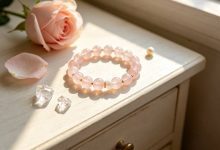
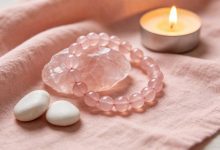
Gemstone Malas: Texture and Coolness Crystal jewelry malas, made from stones like Amethyst, Quartz, or Obsidian, offer a different sensory experience. They are heavier and cooler to the touch. The smoothness of a polished stone can be incredibly soothing to run through your fingers. Many people choose gemstones based on their color or specific intentions—for example, using clear quartz for clarity or amethyst for calmness. Just be aware that gemstones can be more fragile than wood; dropping them on a hard floor could cause them to chip or break.
Seed Malas: Tradition and Texture
Rudraksha seeds are another popular option, known for their distinct, textured surface. Unlike smooth wood or polished stone, Rudraksha beads have natural grooves. This texture provides significant friction, making it very easy to count without looking, as you can distinctly feel each bead passing through your fingers. They are highly revered in yogic traditions and are believed to have a stabilizing effect on the heart rate.
Size Matters: Comfort and Portability
When learning how to choose the right mala beads for meditation, size is a critical factor that is often overlooked. Malas generally come in three main sizes:
– Traditional (8mm – 10mm): This is the standard size for wrist malas or shorter necklaces. They are substantial and easy to grip.
– Larger (12mm+): These make a bold statement as jewelry but can be heavy to hold for long periods. If you have smaller hands, a 12mm+ bead might feel cumbersome during a 20-minute session.
– Smaller (6mm): Often used for longer necklaces that hang lower on the chest. These are delicate and lightweight, great for wearing under clothing or for those who prefer a subtle presence.
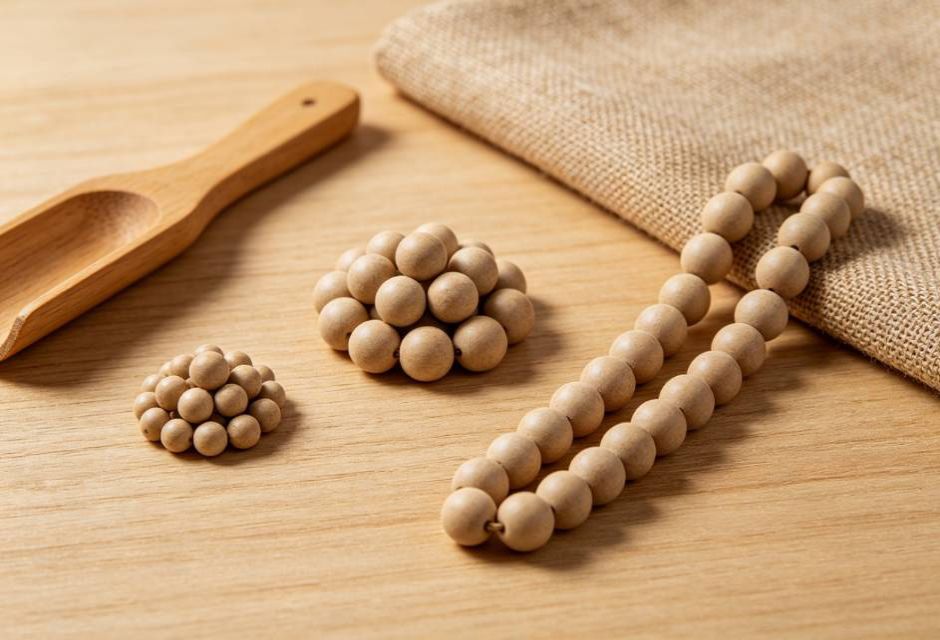
Consider where you will be meditating. If you sit at a desk or travel often, a lighter, smaller mala might be less obtrusive. If you meditate in a dedicated studio space, a larger, heavier mala might feel more significant in your hand.
The Importance of the Guru Bead and Tassel
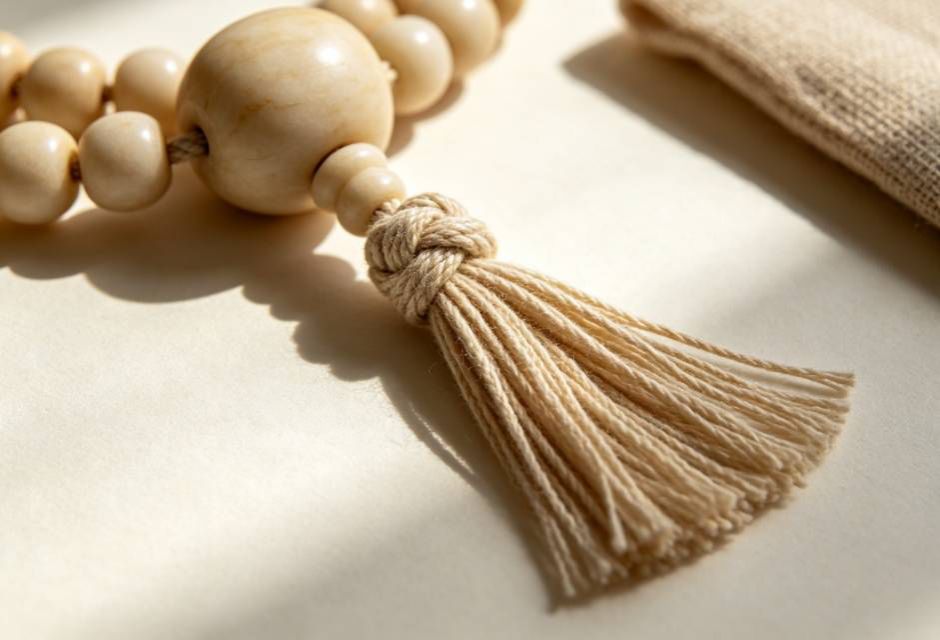
The guru bead marks the beginning and end of your cycle. In terms of construction, ensure the knotting between the beads is secure. High-quality mindfulness jewelry will use strong silk or nylon cord, often with a knot between each bead. This prevents the entire strand from unraveling if the string breaks and keeps the beads from grinding against each other, preserving their finish.
The tassel represents the connection to the divine or your higher self. While some prefer a simple knot, others find that a long, flowing tassel adds a visual element of beauty that helps settle the mind before the eyes even close.
Setting Your Intention
Ultimately, the “right” mala is the one that calls to you. You might read all the guides on choosing meditation tools, but sometimes it comes down to intuition. When you hold a specific set, does it feel balanced? Does the weight comfort you?
Your mala is a companion in your practice. It absorbs the energy of your hands and your environment. Treat the selection process as your first act of mindfulness. Take your time, feel the different textures, and choose the set that resonates with your current path. Whether you choose a simple wooden strand or an intricate gemstone design, the true power lies not in the object itself, but in the consistent practice it supports.
By focusing on comfort, material preference, and traditional structure, you can find a tool that enhances your focus and deepens your meditation experience for years to come.