 ZenMalas Blog
Meditation is a sacred practice that calms the mind, grounds the spirit, and connects you to your inner self—and a mala bead is more than just an accessory; it’s a powerful tool to deepen your meditation practice. Whether you’re new to meditation or a seasoned practitioner, choosing the right mala can make a world of difference in your focus, intention, and overall experience. But with so many options—different beads, materials, lengths, and meanings—how do you pick the perfect mala for your meditation journey? This guide breaks down everything you need to know, from understanding mala basics to matching your mala to your meditation goals.
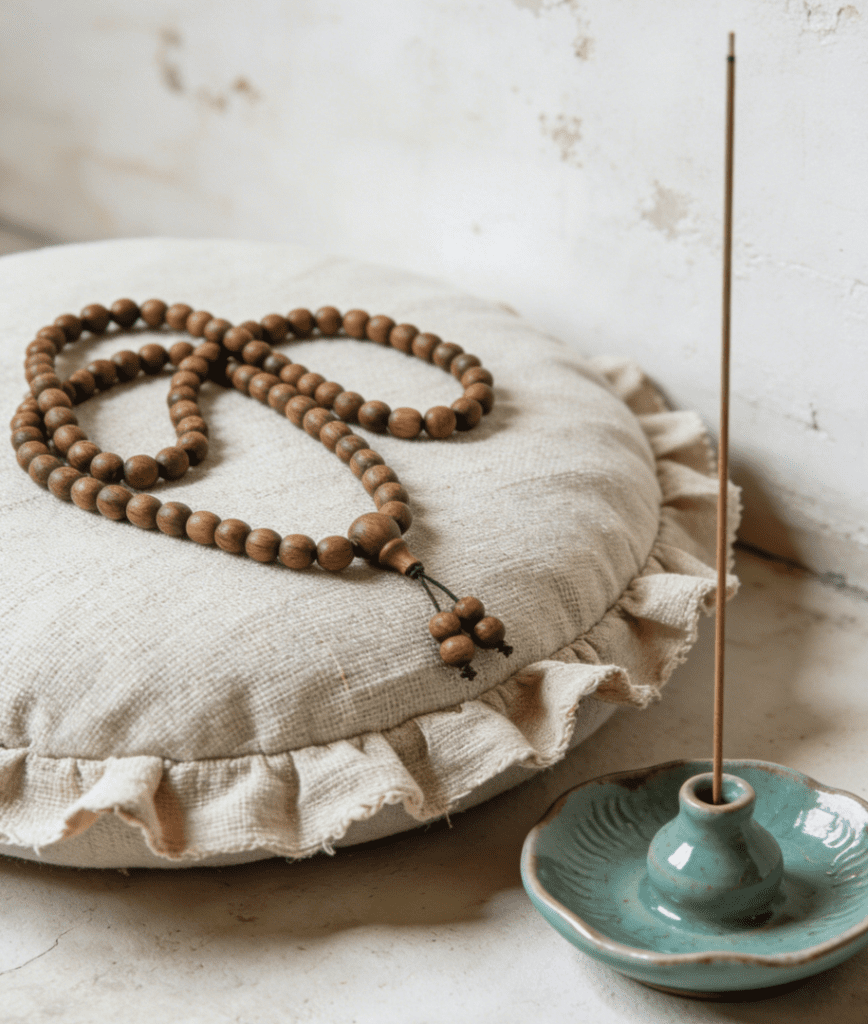
What Is a Meditation Mala, and Why Does It Matter?
First, let’s clarify what a meditation mala is (and isn’t). A mala—often called a “prayer bead” or “meditation bead”—is a string of beads used to count mantras, breaths, or intentions during meditation. Unlike regular jewelry, a mala is designed with purpose: to keep your mind anchored, reduce distractions, and amplify your focus. Most traditional malas have 108 beads, a number sacred in many spiritual practices (including Hinduism, Buddhism, and Jainism) that represents the 108 earthly desires or 108 paths to enlightenment.
Choosing the right meditation mala isn’t about picking the most beautiful one (though aesthetics can help!). It’s about finding a mala that resonates with your energy, supports your meditation goals, and feels comfortable to hold. A well-chosen mala becomes a trusted companion in your practice, reminding you of your intentions and helping you stay present.
Key Factors to Consider When Choosing a Mala for Meditation
When shopping for a meditation mala, focus on these four core factors. They’ll help you narrow down your options and find a mala that aligns with your needs, ensuring your meditation practice feels intentional and fulfilling.
1. Mala Material: Choose Stones That Resonate With Your Goals
The material of your mala beads is one of the most important choices—each stone or material carries unique energy that can enhance your meditation practice. Selecting the right material ensures your mala supports your specific intentions, making your meditation sessions more impactful. Here are some of the most popular options for meditation malas, along with their benefits:
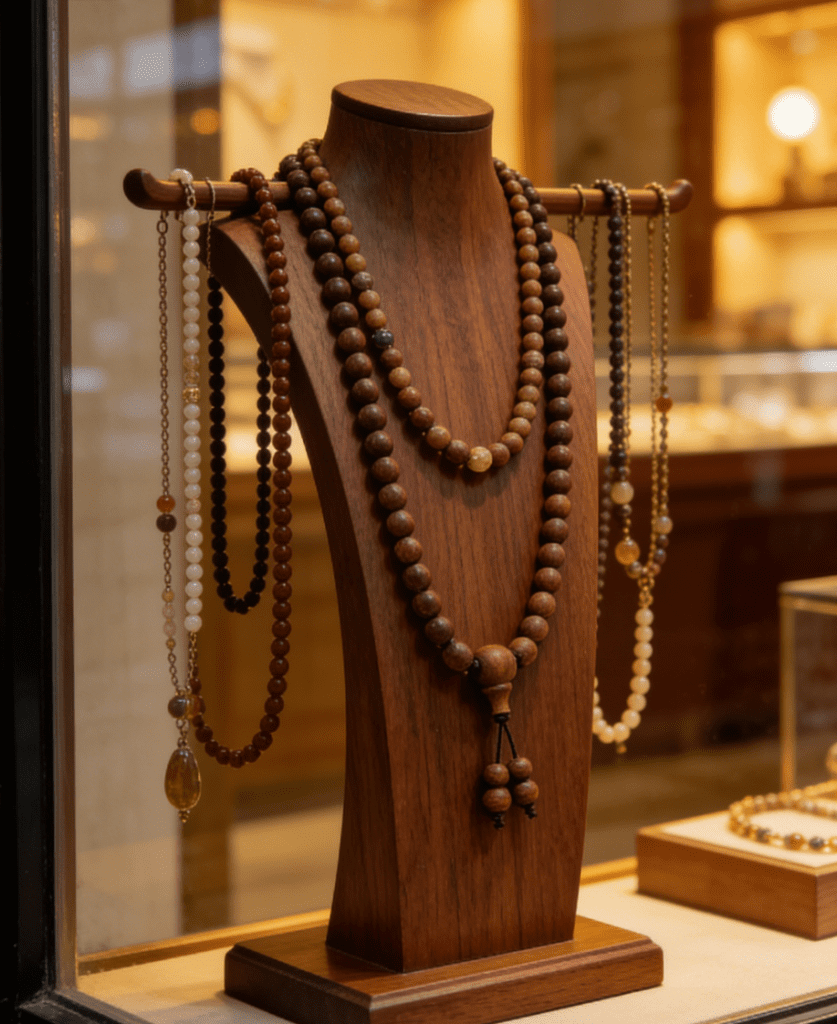
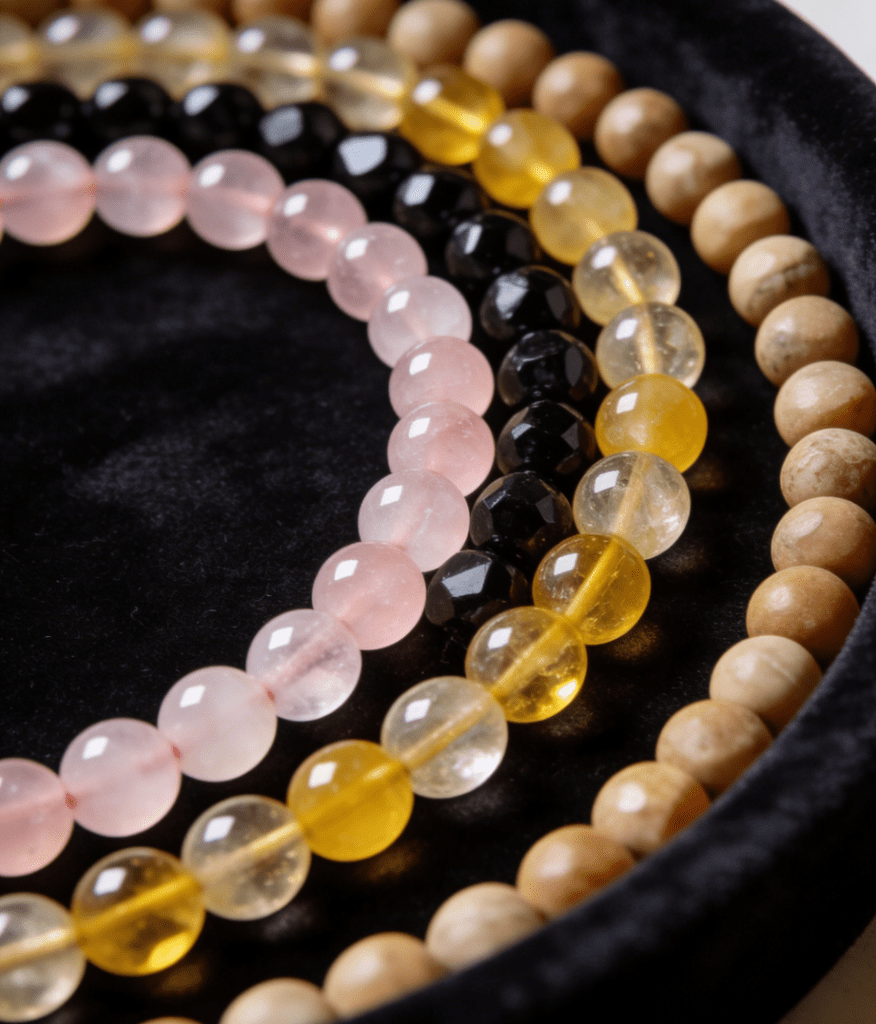
• Rose Quartz: Ideal for those seeking emotional balance and self-compassion. Rose quartz’s gentle energy calms anxiety, opens the heart, and encourages self-love—perfect for meditations focused on healing or connection. • Black Tourmaline: A powerful protection stone that shields against negative energy. If your meditation practice is about grounding or releasing stress, black tourmaline helps keep you centered and protected. • Citrine: Great for boosting positivity and focus. Citrine’s warm energy enhances clarity, making it perfect for meditations aimed at setting intentions or manifesting goals. • Sandstone: A grounding stone that connects you to the earth. It’s ideal for beginners, as it promotes calmness and stability during meditation.
Pro tip: Hold the beads in your hand before buying (or visualize them if shopping online). Notice how they feel—do they feel heavy or light? Warm or cool? Your intuition will guide you to the material that’s right for your meditation mala.
2. Mala Length: Match It to Your Practice
Malas come in different lengths, and the right one depends on how you plan to use it during meditation. The length of your mala should fit your practice duration and lifestyle, ensuring it’s convenient to use regularly. The most common lengths are:
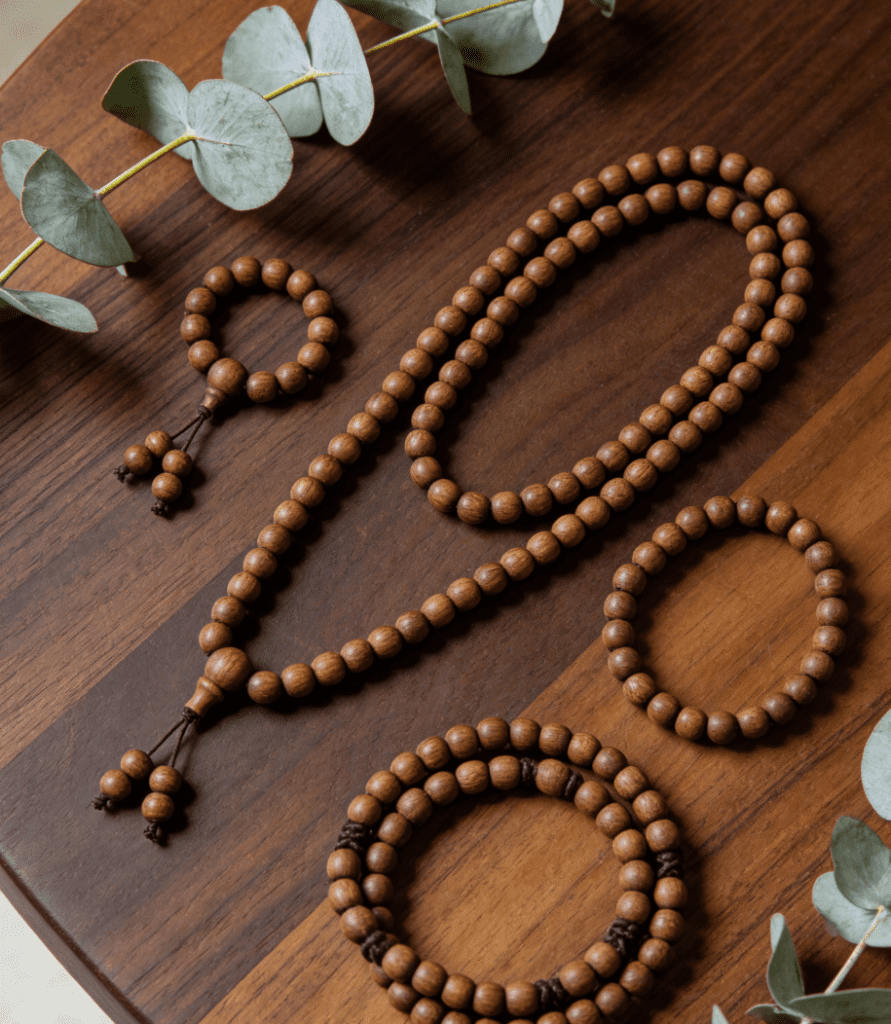
• 108 Beads (Full Mala): The traditional length for meditation. It’s designed to count 108 mantras or breaths, making it perfect for longer meditation sessions (10–20 minutes or more). A full mala can be worn around the neck or wrist (wrapped multiple times) when not in use. • 27 Beads (Half Mala): A shorter option, ideal for beginners or those with shorter meditation sessions (5–10 minutes). It’s also great for on-the-go meditation, as it’s easier to carry and use in busy settings. • 18 Beads (Wrist Mala): A small, compact mala that fits comfortably on the wrist. It’s perfect for quick meditations throughout the day or for keeping your intention close while you’re busy.
3. Bead Size: Prioritize Comfort
Mala beads range in size from 6mm to 12mm, and comfort is key—you’ll be holding and moving the beads with your fingers during meditation, so they should feel natural and not cause strain. A comfortable mala encourages consistent use, which is essential for a meaningful meditation practice. Here’s a quick guide:
• 6–8mm Beads: Small and lightweight, perfect for those with smaller hands or who prefer a delicate mala. They’re easy to hold for long periods and won’t strain your fingers. • 9–10mm Beads: The most popular size—balanced and comfortable for most people. They’re easy to grip without being too bulky. • 11–12mm Beads: Larger and more substantial, ideal for those who prefer a heavier mala that provides a grounding sensation. They’re great for deeper meditations but may feel bulky for smaller hands.
4. Intention: Align Your Mala With Your Meditation Goals
Your mala is a tool for intention, so it’s important to choose one that aligns with what you want to get out of your meditation practice. A mala that matches your intentions will help you stay focused and connected to your practice. Ask yourself: What is my main goal for meditation? Is it to reduce stress? Find clarity? Heal emotionally? Manifest abundance?
For example: If you want to reduce anxiety, a rose quartz or amethyst mala would be a great choice. If you want to boost focus and productivity, citrine or clear quartz works well. If you’re new to meditation and just want to build a consistent practice, a simple sandstone or wooden mala is perfect—no need for fancy stones until you’re more connected to your practice.
Beginner-Friendly Tips for Choosing Your First Mala
If you’re new to meditation and malas, don’t overcomplicate it. The best meditation mala for beginners is one that feels approachable and comfortable. Here are three simple tips to help you choose your first mala:
1. Start simple: Opt for a basic material like sandstone or wooden beads. They’re affordable, durable, and easy to connect with—no need to invest in expensive crystals right away. 2. Focus on comfort: Choose a mala that feels good in your hand. If it’s too heavy, too small, or uncomfortable to hold, you won’t want to use it regularly. 3. Trust your intuition: When browsing malas, pay attention to which one catches your eye. Your gut feeling is often your best guide—if a mala resonates with you, it’s probably the right one for your meditation journey.
Final Thoughts: Your Mala Is a Personal Journey
Choosing a mala for meditation is a personal process—there’s no “right” or “wrong” choice. What matters most is that your mala feels like a natural extension of your practice, supports your goals, and brings you joy. Whether you choose a rose quartz mala for heart healing, a black tourmaline mala for protection, or a simple wooden mala for grounding, your mala will become a sacred tool that accompanies you on your meditation journey.
Remember: Your mala doesn’t have to be perfect. It just has to be yours. Once you’ve chosen your mala, take a moment to set an intention for it—hold it in your hands, close your eyes, and visualize what you want to get out of your meditation practice. This simple act will deepen your connection to your mala and make your meditation sessions even more powerful.