 ZenMalas Blog
Starting a meditation practice can feel overwhelming at first, especially if you’re unsure where to begin. The good news is that learning how to start meditation at home doesn’t require special skills, expensive tools, or a lot of time. With a simple setup and a few minutes a day, you can begin building a calm and focused routine right where you are.
In this guide, you’ll learn practical steps, beginner-friendly techniques, and tips to help you start meditating at home with confidence.
Why Start Meditation at Home?
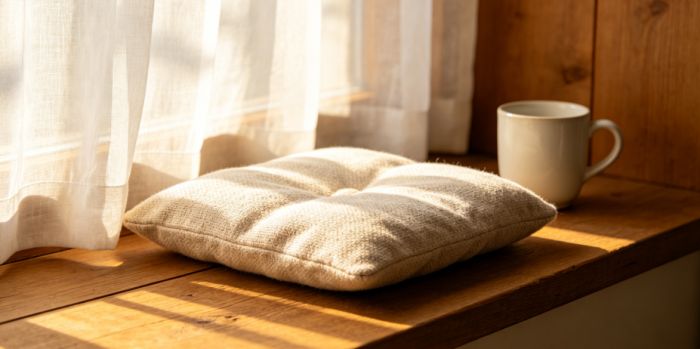
One of the biggest advantages of meditation is that it can be done anywhere—but home is often the easiest place to begin.
Practicing meditation at home allows you to:
- Create a comfortable, familiar environment
- Build a consistent daily habit
- Practice at your own pace without pressure
When you learn how to start meditation at home, you remove common barriers like travel time or scheduling conflicts, making it easier to stay consistent.
What You Need to Start Meditation
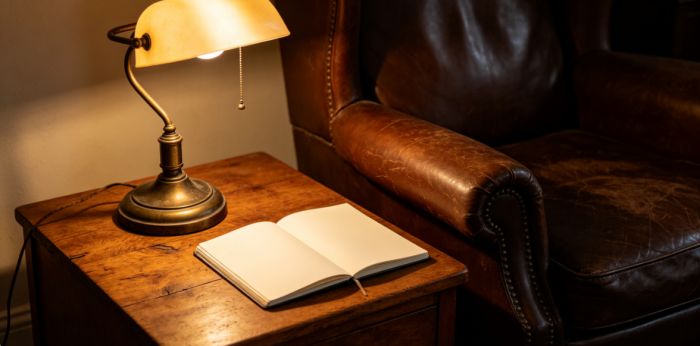
A common misconception is that meditation requires a perfect setup. In reality, you only need a few basics.
A Quiet Space (Even a Small One)
You don’t need a dedicated meditation room. A corner of your bedroom, a chair by the window, or even your couch can work. The goal is to reduce distractions as much as possible.
A Comfortable Position
Sit in a chair with your feet flat on the ground, or sit cross-legged on the floor. Keep your back straight but relaxed to stay alert.
A Few Minutes of Time
Start with just 5 to 10 minutes. Short sessions are easier to maintain and help build consistency.
Step-by-Step: How to Start Meditation at Home
If you’re new to meditation, follow this simple process. It’s designed to be easy, flexible, and beginner-friendly.
Step 1: Set a Timer
Set a timer for 5–10 minutes. This allows you to focus fully without worrying about time.
Step 2: Focus on Your Breath
Bring your attention to your breathing. Notice:
- The air entering your nose
- Your chest or belly rising and falling
- The rhythm of each inhale and exhale
There’s no need to control your breath—just observe it naturally.
Step 3: Gently Refocus When Your Mind Wanders
Your mind will wander. That’s completely normal.
When it happens:
- Notice the thought
- Let it pass without judgment
- Bring your focus back to your breath
This simple act of refocusing is the core of meditation practice.
Step 4: End with Awareness
When your timer ends, take a deep breath and notice how you feel. Even a short session can help you feel calmer and more centered.
Simple Meditation Techniques for Beginners
As you get comfortable with the basics, you can explore different methods while still practicing at home.
Breath Awareness Meditation
Focus only on your breathing. This is the simplest and most common method.
Body Scan Meditation
Slowly bring attention to different parts of your body, noticing any tension or sensation.
Guided Meditation
Listen to a short guided session to help you stay focused, especially in the beginning.
How to Build a Daily Meditation Habit
Learning how to start meditation at home is just the first step—consistency is what makes it effective.
Start Small
Begin with 5 minutes a day. You can increase the time later.
Choose a Fixed Time
Morning or evening works best for most people. A consistent schedule helps form a habit.
Link It to an Existing Routine
Meditate after brushing your teeth, drinking coffee, or before going to bed.
Common Challenges (and How to Handle Them)
Beginners often face similar difficulties when starting meditation at home.
“I Can’t Stop Thinking”
You don’t need to stop your thoughts. Just notice them and return to your breath.
“I Don’t Have Time”
Even 5 minutes is enough. Short sessions are better than none.
“I’m Not Doing It Right”
There’s no perfect way to meditate. Showing up is what matters.
Creating a Calm Space at Home
While not required, a simple setup can make your practice more enjoyable.
You might include:
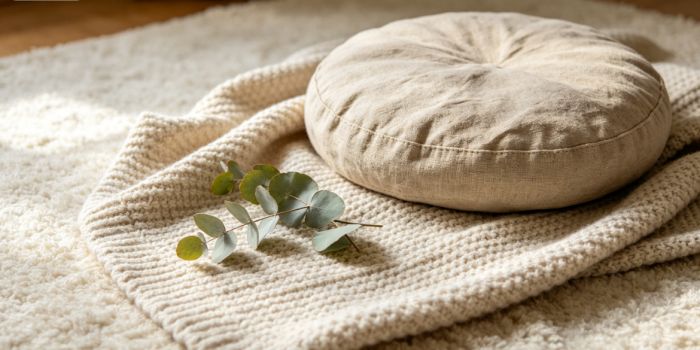
- A cushion or comfortable chair
- Soft lighting
- A quiet, uncluttered area
Over time, this space becomes associated with calm and focus.
Final Thoughts
Learning how to start meditation at home is about keeping things simple and consistent. You don’t need perfect conditions or long sessions—just a few minutes and a willingness to be present.
Start small, stay patient, and allow your practice to grow naturally. With time, meditation can become a steady source of calm, clarity, and balance in your daily life.